Service Center
 TEL:021-64666500

Service Center
TEL:021-64666500
Regardless of urban or rural setting, allergic conjunctivitis is one of the commonest eye diseases worldwide in which the thin delicate membrane covering the eyeball and underside of the eyelid called conjunctiva is being challenged by the allergens. Candidate allergens are numerous and common allergen examples are pollen, dust and dust mite, pet hair, fungal spores, contact lenses etc....
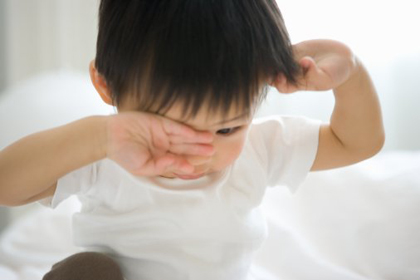
Depending on duration of exposure and dosage of allergens there is big variation among patients in terms of the common symptoms and signs; vascular injection, papillae formation, tear film instability, redness, puffy lids, itchy feeling, foreign body sensation, corneal epithelial defects, tearing, light sensitivity, frequent blinking and disturbed vision. In kids not able to express their feeling, one common sign is the rubbing of the eyes with or without tearing and photophobia.
Theoretically the best approach is to identify and try avoiding the allergens. In many patients, despite investigation, the causative allergens are not identified. Fortunately, allergic conjunctivitis can be brought under control and symptoms much relieved by application of the drugs such as topical antihistamine, NSAIDs and mast cell stabilizer. Untreated, symptoms and signs tend to deteriorate and giant papillae may develop and cause corneal ulcer and scarring with potential of permanent visual damage.
Apart from allergens, there are many other causes of conjunctivitis (pink or red eye) that need to be considered. In particular infection such as bacterial and viral need to be considered, included or excluded by examination and treated accordingly. When in doubt or concerned, it is advisable for one to consult and seek help from the ophthalmologist (eye doctor).